Study Resources & Visual Aids

Essential charts, diagrams, and visual materials for your linguistics studies

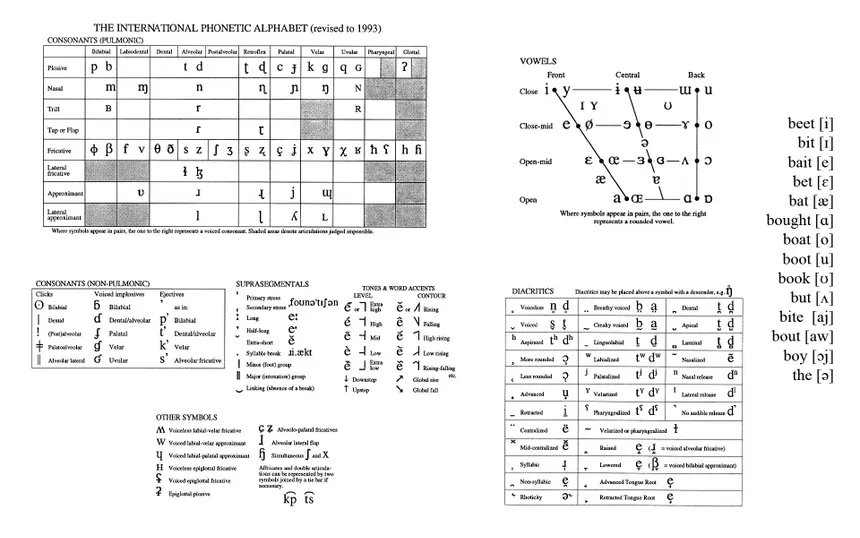
International Phonetic Alphabet Chart showing all speech sounds organized by place and manner of articulation

International Phonetic Alphabet (IPA) Chart

The IPA chart is essential for phonetics and phonology studies. It provides symbols for every possible human speech sound, organized by place and manner of articulation for consonants, and by tongue position and lip rounding for vowels. Use this chart to:

  • Transcribe speech sounds accurately
  • Study sound systems across languages
  • Understand place and manner of articulation
  • Prepare for phonetics and phonology exams
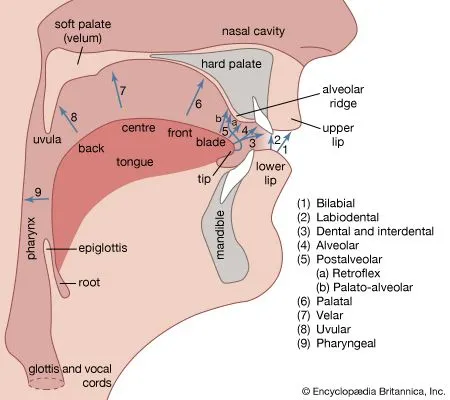
Diagram showing the human speech organs including lungs, larynx, tongue, lips, and vocal tract

Speech Organs Diagram

This diagram illustrates all the organs involved in speech production. Understanding the anatomy of speech production is crucial for phonetics. The diagram shows:

  • Respiratory system (lungs, diaphragm)
  • Phonatory system (larynx, vocal cords)
  • Articulatory system (tongue, lips, palate)
  • Resonatory system (oral and nasal cavities)
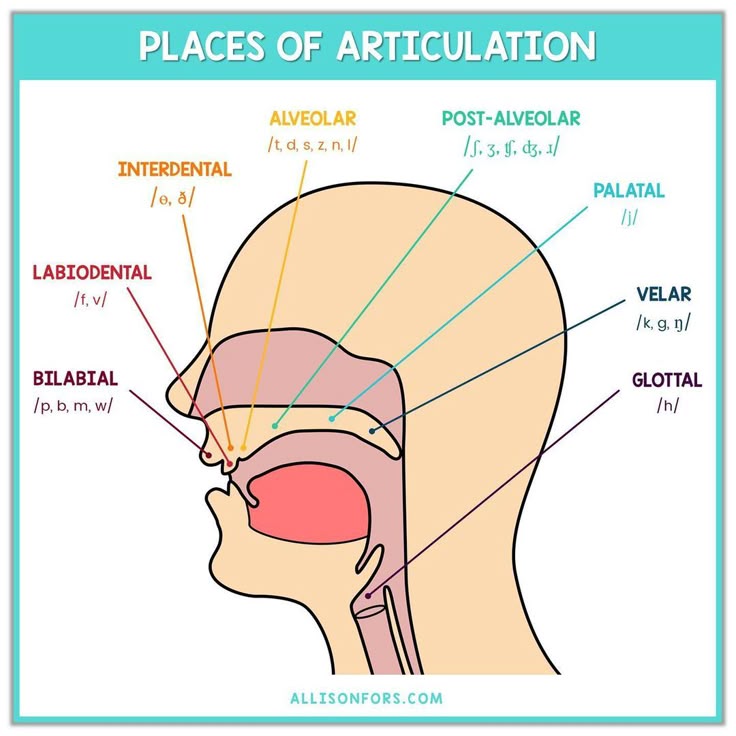
Chart showing different places of articulation in the vocal tract from bilabial to glottal

Place of Articulation Chart

This chart shows where in the vocal tract different sounds are produced. Essential for understanding consonant classification. Includes:

  • Bilabial, labiodental, dental sounds
  • Alveolar, palatal, velar sounds
  • Glottal sounds
  • Visual representation of articulator positions
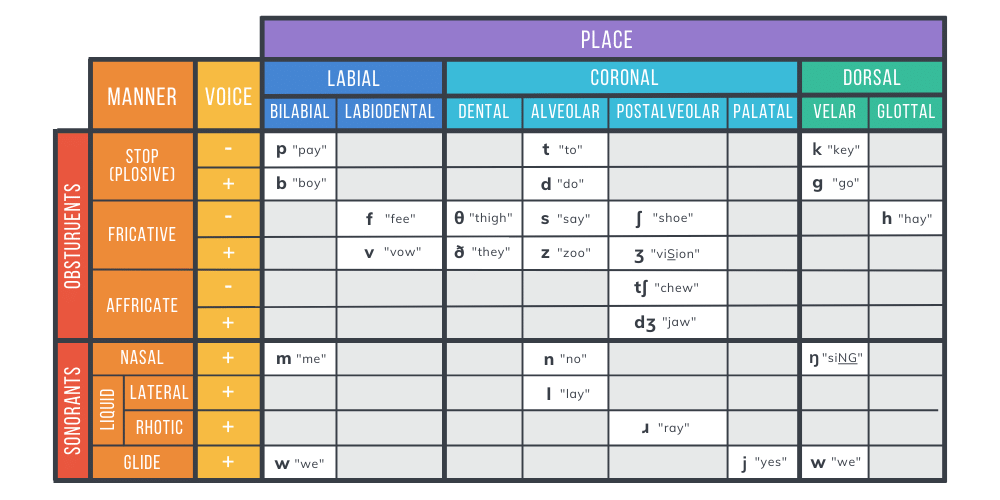
Chart illustrating different manners of articulation including stops, fricatives, nasals, and liquids

Manner of Articulation Chart

This chart explains how the air stream is modified to produce different sounds. Critical for understanding consonant classification. Shows:

  • Stops/Plosives (complete closure)
  • Fricatives (narrow opening)
  • Nasals, Liquids, Glides
  • Affricates (stop + fricative)
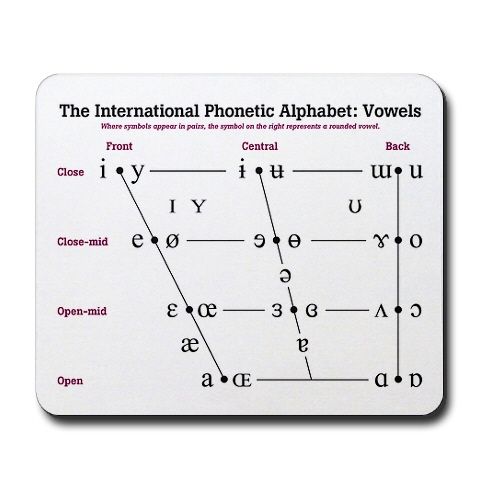
Vowel chart showing front, central, and back vowels with high, mid, and low positions

Vowel Chart

The vowel chart displays vowels organized by tongue position (front/central/back) and height (high/mid/low). Essential for phonetics studies. Features:

  • Front, central, and back vowels
  • High, mid, and low vowel positions
  • Rounded and unrounded vowels
  • IPA symbols for each vowel
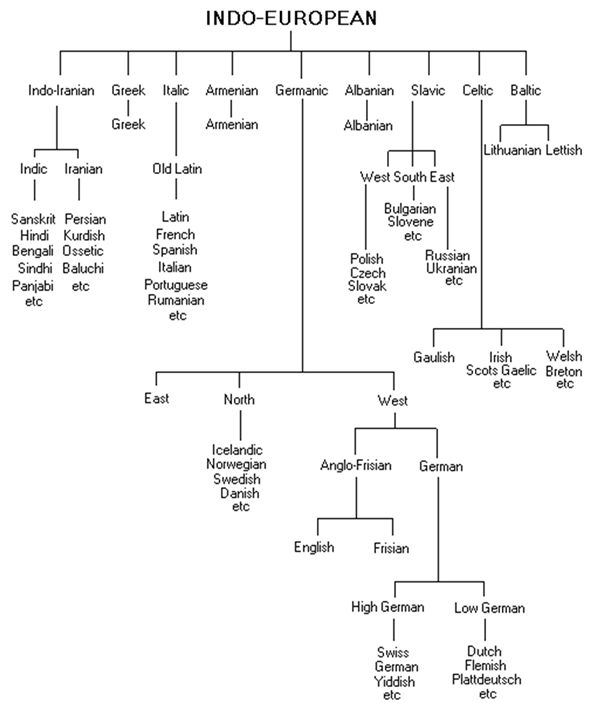
Diagram showing the Indo-European language family tree with branches and relationships

Language Family Tree

This diagram illustrates the relationships between languages in the Indo-European family. Useful for historical linguistics studies. Shows:

  • Major language families and branches
  • Genetic relationships between languages
  • Proto-language reconstruction
  • Language evolution and change
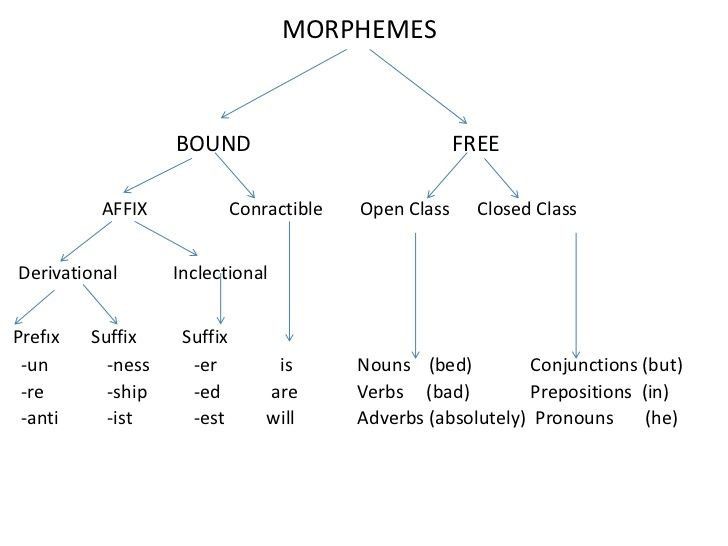
Diagram showing word structure with roots, prefixes, suffixes, and morpheme boundaries

Morphological Structure Diagram

This diagram demonstrates how words are built from morphemes. Essential for morphology studies. Illustrates:

  • Root morphemes and affixes
  • Derivational vs. inflectional morphemes
  • Word formation processes
  • Morpheme boundaries and structure
Comparison chart showing different writing systems: alphabetic, syllabic, logographic, and abjad

Writing Systems Comparison

This chart compares different types of writing systems used around the world. Important for orthography studies. Includes:

  • Alphabetic systems (Latin, Cyrillic)
  • Syllabic systems (Japanese Kana)
  • Logographic systems (Chinese)
  • Abjad and Abugida systems

📝 Note for Students

These visual resources are designed to complement your study materials. Print them out or save them to your device for easy reference during your studies. Each chart and diagram corresponds to topics covered in your linguistics courses.

Tip: Use these resources alongside the study guide and practice tests for comprehensive exam preparation.